Home for the Holidays

A Q&A Series Hosted by @itshoneylive

Welcome to “Home for the Holidays: A Q&A Series hosted by Honey.” In this series, Honey interviews adult workers and their supporters about how the holidays feel for them. Whether they’re navigating family, chosen community, or finding joy while facing stigma, these conversations explore how holiday traditions change and what “home” can mean. Each interview offers real perspectives on connection, resilience, and care. Dive in, read, and reflect.ew offers real perspectives on connection, resilience, and care. Dive in, read, and reflect.

Q&A with @missminayoon

International woman of mystery @missminayoon returned to New York this year with a mission: hosting an unforgettable holiday soiree for sex workers only. We spoke to the bombshell bon vivant about connection, personal traditions, and everything essential for throwing a great party.

Q: What inspired you to organize your holiday celebration for sex workers this year?

A: I’ve been doing private dinner parties since 2020 and nightlife events since 2021. I famously do a big costume party every year for my birthday, and I’m known to organize the same for my friends when they want to go all out (often for Sagittarians and Leos). The SW exclusive events are a more recent thing I’m doing, trying to host space for my community after living away from really any sex working peers for two years abroad.

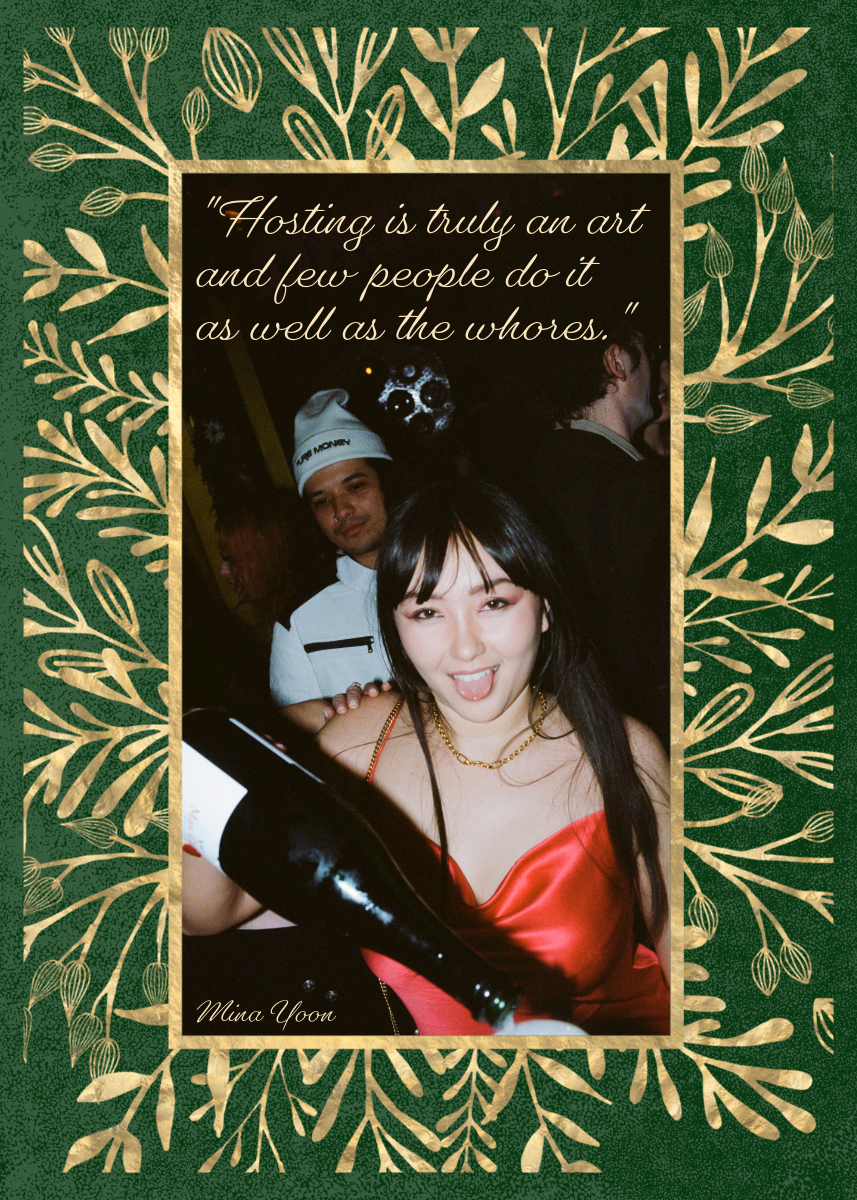
I have a background in hosting dinner parties, as I have some close relations in the culinary world, so it just made sense to do it for the whores I’m in camaraderie with. I’m also inspired by other SWers who’ve thrown legendary parties I’ve attended in the past. That pre covid era of booking out a penthouse and inviting everyone you know, those were the first parties I attended in New York that were truly fabulous, like those soirées you see in movies! Hosting is truly an art and few people do it as well as the whores.

Q&A with Mina Yoon

Q: What do you take into consideration while planning a party?

A: I mostly focus on cohesion in the menu, choosing wines that are agreeable and suited for the food, having proper NA drinks (it’s so awful when a mocktail is just juice!!!), music volume and vibe, temperature, and setting up the guest for easy interactions with others. Setting the tone and offering introductions can really make the social aspect fall into place naturally. 

Timing is kind of everything. Picking the perfect date will do you a lot of favors, so gauge when your guest may be anticipating social burn out and adjust accordingly. It’s better to have a legendary party in the middle of a dead season than to be one stop crammed onto a padded itinerary. 

Q: How do you typically spend the holidays?

A: I stay in New York every year and spend the holidays with friends. I’m fortunate to be from the tri-state area so I pop up to my family’s place for Christmas eve and then head back on the last train to the city so I can make it to holiday brunch. December is traditionally my busy season, so I’m in New York the whole month both for festivities and work. Some of my favorite last minute bookings have been around the holidays, this air of spending seems to be contagious!

Q&A with Mina Yoon

Q: Has being in the industry changed your dynamic with your family?

A: I’ve been out for almost the entire time I’ve done this (not by choice!) but everyone manages. None of my family is nosy or disrespectful about my job. How they feel about it is something for them to deal with and that’s basically the line we walk as New Englanders.

I come from a working class background and suspect some of the women in my family have done sex work at various points in their lives, perhaps informally. The attitude is that at the end of the day we’re all doing different things to make the same money.

Q: Did you ever use a cover story before being “out”?

A: I was outed when I was 18 and strictly forbidden to go back to sex work while living in my parent’s home. I was obviously not going to do this, since the only way I was going to get my finances in order was in the club. I told my parents that I was bartending at a local gay bar which unbeknownst to me was permanently shut down. The whole thing was very “don’t ask, don’t tell”

Q: Do you have any personal holiday traditions?

A: In New York my friend group typically does a peking duck or dimsum brunch in Chinatown. A few years ago we went to Wu’s Wonton King which is this legendary spot on East Broadway with gorgeous roast duck hanging in the windows. It’s a local fav and gets really rowdy because they’re BYOB. It’s everyone packed into this modest spot and you’re eating razor clams and conch and suckling pig with three bottles of billecart spinning around on the lazy suzan.

Q&A with Mina Yoon

Q: What would you say to SWers who can’t be home for the holidays for whatever reason?

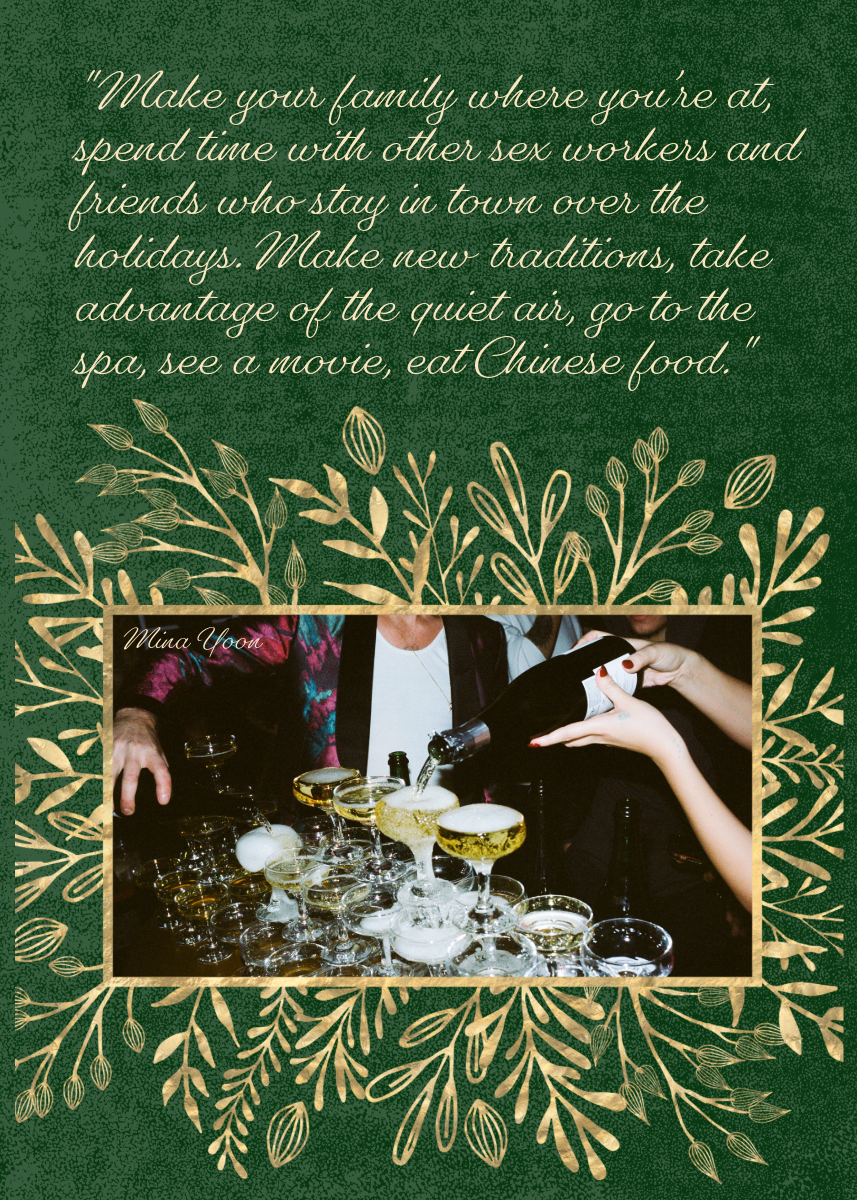
A: I would say make your family where you’re at, spend time with other swers and friends who stay in town over the holidays. Make new traditions, take advantage of the quiet air, go to the spa, see a movie, eat chinese food.

Q: How can clients and allies better support SWers during the holiday season?

A: By giving us money!!!!! Spread the holiday cheer around. December is also an important month for charities, they often do big pushes around the holidays (such as Giving Tuesday). Donating to grass roots organizations that put workers in direct connection with money and services is certainly something to be emphasized during the season.

Q: What would you say to other SWers or anyone else interested in organizing events and initiatives?

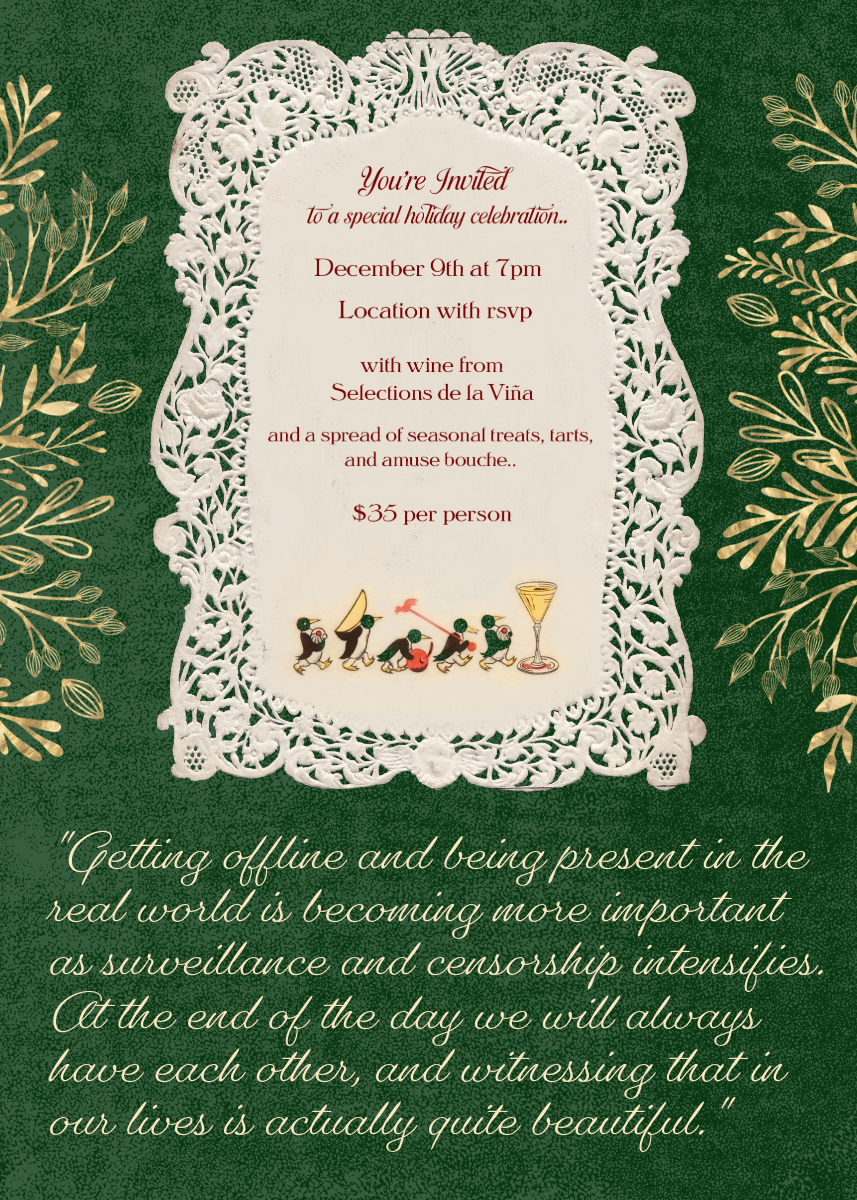
A: Link with some other workers you really fuck with and plan something. Clothing swaps, skill shares, copy writing workshops. All of us have a wealth of skills and knowledge that we can all share with each other and these relationships are more crucial than anything. Getting offline and being present in the real world is becoming more important as surveillance and censorship intensifies. At the end of the day we will always have each other, and witnessing that in our lives is actually quite beautiful.

Q&A with Daisy from CORAS

Ottawa-based CORA’S Foundation is a non-profit initiative dedicated to providing Community, Outreach, Resources and Advocacy for sex workers and human trafficking survivors. In addition to organizing financial and material aid (the group maintains a walk-in supply closet stocked with a wide range of essential goods), the sex-worker-led organization provides legal, educational, occupational and social resources for those in need. We got in touch with one of their key organizers, @amazeydazey, to learn more about their work.

Q: Tell me more about the type of work CORAS focuses on during the holiday season. What are some of the additional challenges SWers face this time of year?

A: The holidays are one of our busiest times - primarily given the extreme cold we face here in Canada. A lot of our work shifts toward crisis support and basic-needs relief, alongside some cultural support in trying to help workers enjoy their holidays.

Many local workers experience a drop in income over the holidays (some for obvious reasons, as outdoor work becomes unmanageable), and for those supporting children or paying high rent, that can be devastating. Isolation also tends to increase, as workers who are estranged from their families - which are too many - often spend the season alone.

Q&A with Daisy from CORAS

Q: What's it like operating as a smaller grassroots organization?

A: Grassroots work is incredibly rewarding, but it comes with challenges. We don’t have a huge budget or institutional backing, so everything we build is powered by lived experience, community trust, and pure determination. Larger organizations often have more structure, but they can also be slower, more disconnected from the lived reality of sex workers, or overly concerned with optics.

As a grassroots, sex-worker-led initiative, we move quickly. We respond to crises the same day. We’re able to build trust because we’re workers ourselves: we understand the culture and where to find those in need.

The challenge is navigating conversations with organizations where- at best- we’re not treated as equals, and at worst, we’re met with open disdain. This is expected with abolitionist groups we’ve tried to contact and all but gave us the middle finger, but we’ve also encountered significant whorephobia within some long-established “sex worker rights” organizations that are (notably!) not run by sex workers themselves.

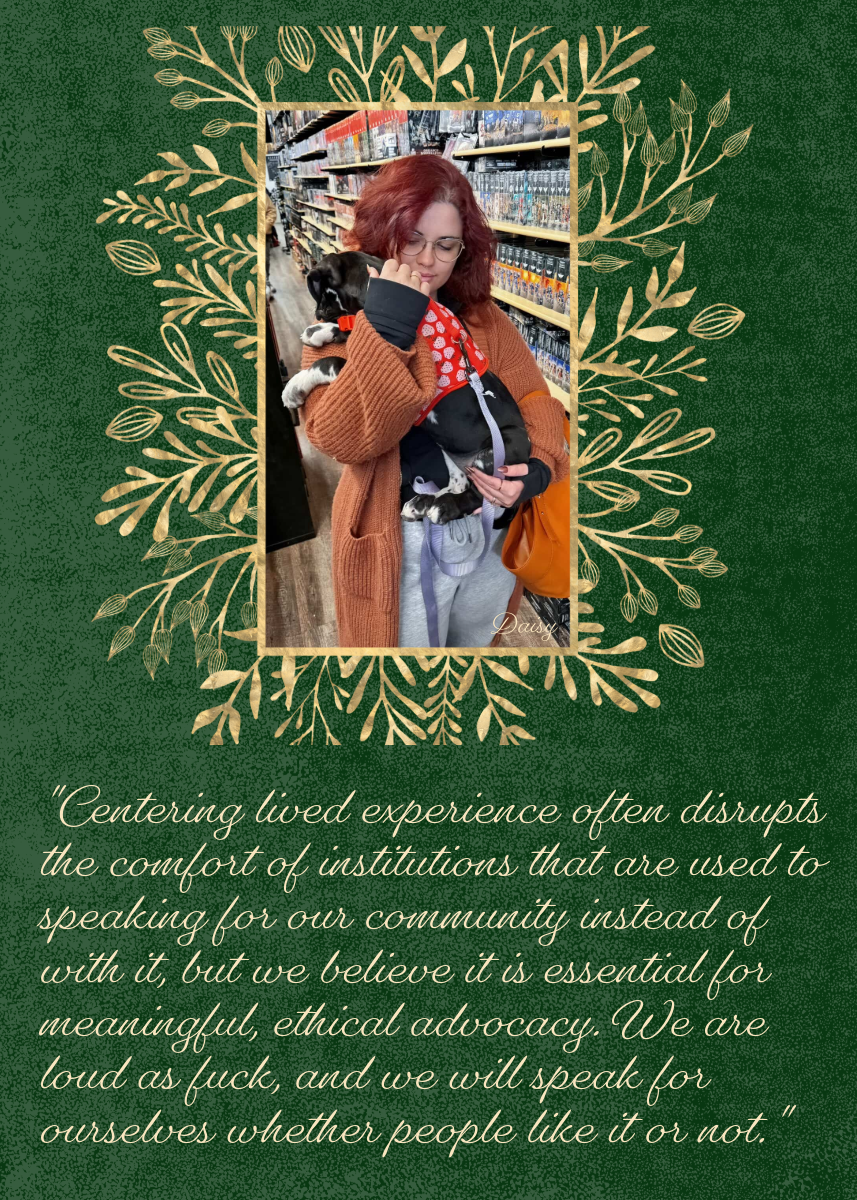
We stand firmly by the principle of “Nothing about us, without us,” even when that commitment makes us unpopular with those in power. Centering lived experience often disrupts the comfort of institutions that are used to speaking for our community instead of with it, but we believe it is essential for meaningful, ethical advocacy. We are loud as fuck, and we will speak for ourselves whether people like it or not.

(But when we do find aligned partners, and accomplished women or groups dedicated to supporting us, it’s deeply fulfilling because we’re bringing sex-worker voices into spaces where they’ve been historically excluded.)

Q&A with Daisy from CORAS

Q: How do you typically spend the holidays (when you're not busy with CORAS work, of course!)?

A: Sleeping, when that small luxury occurs between school and work. Smoking a government-sanctioned joint. Pretending I don’t need to mop my floors.

Q: What are some supplies allies can donate that most people wouldn’t think of?

A: Safe sex supplies, condoms, sex sponges, etc. Things for new mothers like formula, prenatal vitamins (things we can’t access from the city as we aren’t a health organisation). Laundry detergent is a big one as many use laundromats.

Old phones and laptops allow workers to transition to online/indoor work, and we struggle to get those.

Cat stuff. Whores really love their cats.

Q: How can prospective donors and volunteers make sure the nonprofit they're supporting is truly aligned with the needs and experiences of sex workers?

A: Look at who is actually running it and who benefits from their work. If sex workers are not on the board, in leadership, salaried (ESPECIALLY salaried, so many love to prop up sex workers for shock factor but not actually pay them for their work), or otherwise actively shaping the organization’s programming, that’s a red flag. Exit-based organization/abolitionist groups/etc often speak over workers instead of with them, which is upsetting as conflating sex workers with trafficking survivors both removes workers’ autonomy and minimizes the harm done to survivors. We would never compare a victim of labor trafficking to a college barista, and the same shouldn’t apply here.

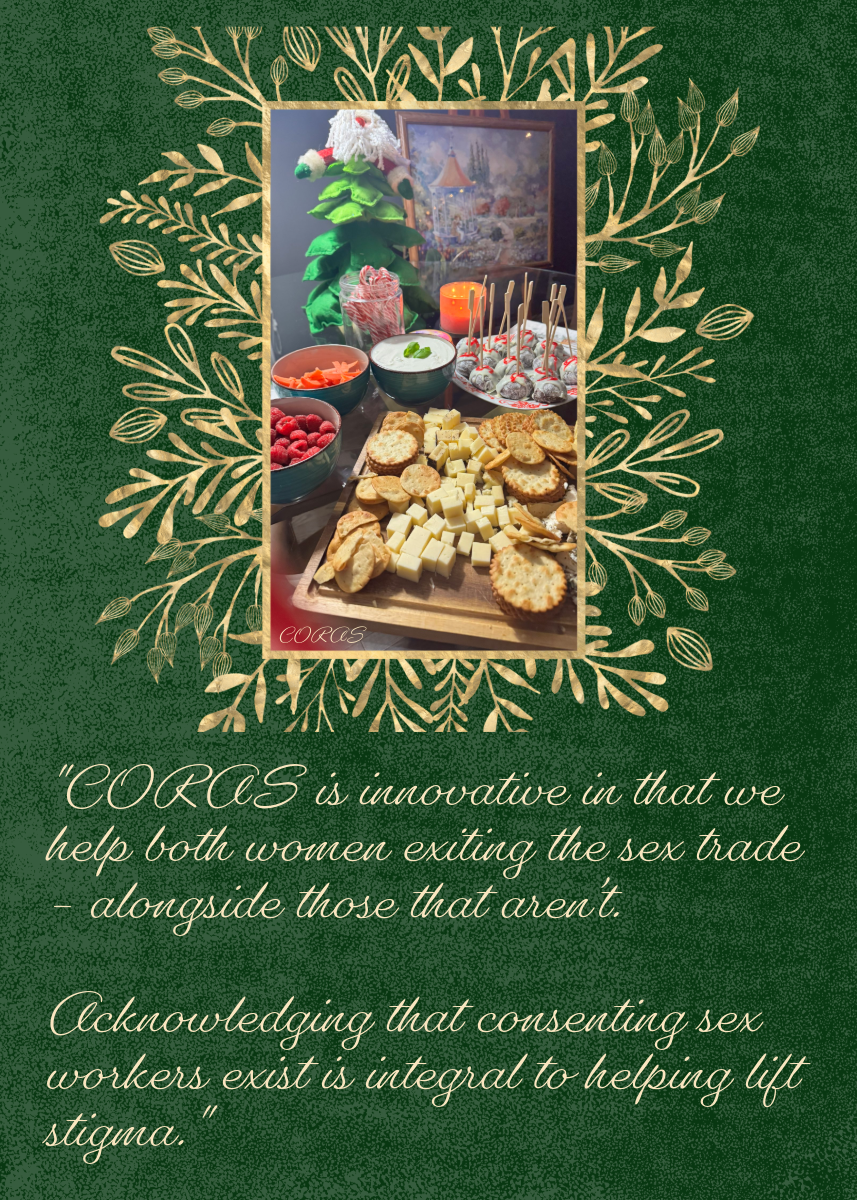
Exit based groups do effectively nothing for sex workers looking for safety. CORAS is innovative in that we help both women exiting the sex trade - alongside those that aren’t. Acknowledging that consenting sex workers exist is integral to helping lift stigma.

A trustworthy organization will be transparent, will use non-stigmatizing language, and will focus on safety, autonomy, and legitimate support- not “rescuing” workers or pushing moral Judgments.

Also, an organisation that can’t provide more support than a bullshit half hour counselling session with an inexperienced volunteer while their director is making six figures, I’d probably avoid. This isn’t even targeted - there seem to be so many organisations on the sunshine list that can’t seem to offer more than a can of dented corn in a fancy office to their communities. The best way to assess alignment is simple: are sex workers paid, at the table, and are their voices shaping the decisions?


Q&A with Daisy from CORAS

Q: Tell me more about some of the events that you've organized with CORA’s in the past! 

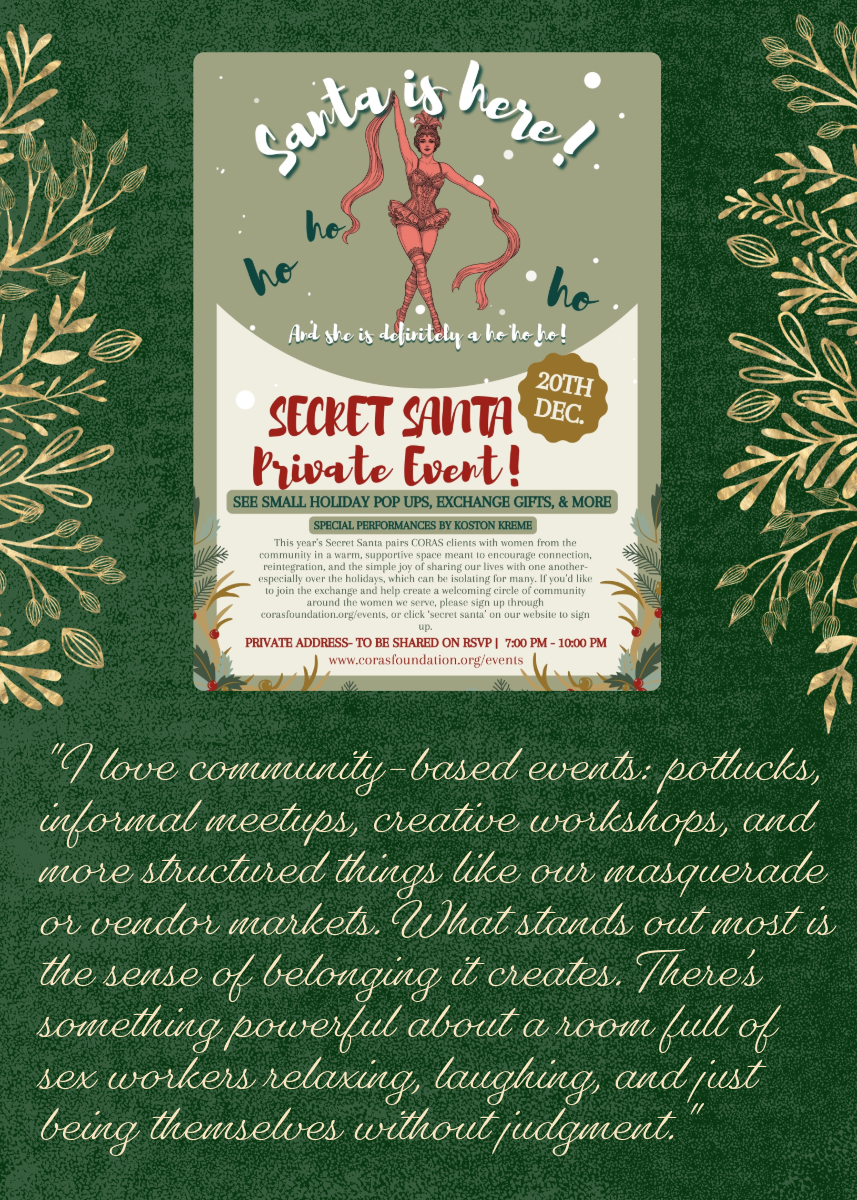
A: I love community-based events: potlucks, informal meetups, creative workshops, and more structured things like our masquerade or vendor markets. What stands out most is the sense of belonging it creates. There’s something powerful about a room full of sex workers relaxing, laughing, and just being themselves without judgement.

One of my favourite memories is from a casual potluck where children were invited, and sex workers got to be their whole selves instead of living in that forever madonna/whore complex society imposes on us.

That moment captured exactly why we do this, and why we deserve community as much as anyone else.

Q: Has your experience as a sex worker shaped the way you think about community care?

A: It’s highlighted the importance of patience and sacrifice for me. Community care requires real sustained patience. People don’t always think the way you do, or process harm the way you do (sometimes they’re incredibly hostile about it, even), but we’re all navigating the same patriarchal structures and facing the same pressures, often imposed by the same kinds of powerful men. Recognizing that shared struggle is what allows us to show up for one another with compassion rather than frustration, and to build community. At the end of the day, truly, SWers only have each other, and these interpersonal issues aren’t worth isolating ourselves from community entirely.

It also means sacrifice. Community care is not glamorous- there are days where doing unpaid, exhausting work is so fucking annoying. But CORAS simply wouldn’t exist without the back-breaking labour of the people who believe in it. If I had waited until funding arrived, or until the work felt convenient or compensated, then none of the women who needed us would have received help. And these women deserved help. They deserved help well before we got here, as sometimes community care means stepping in long before the resources do, because the need is immediate and the stakes are too high to ignore. Honestly, our clients deserve far more than we’re able to give them. But we’re getting there.

Donate to CORAS

Q&A with Rebelle from HHP

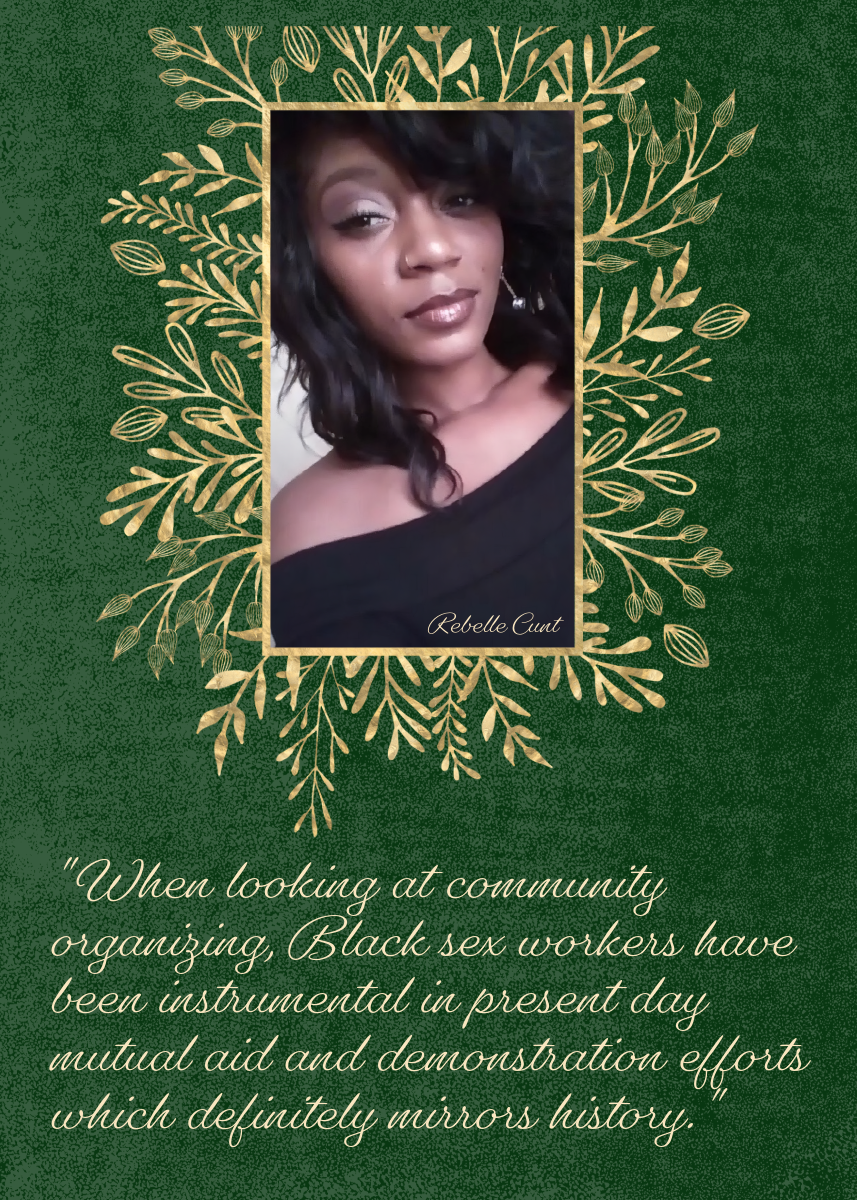
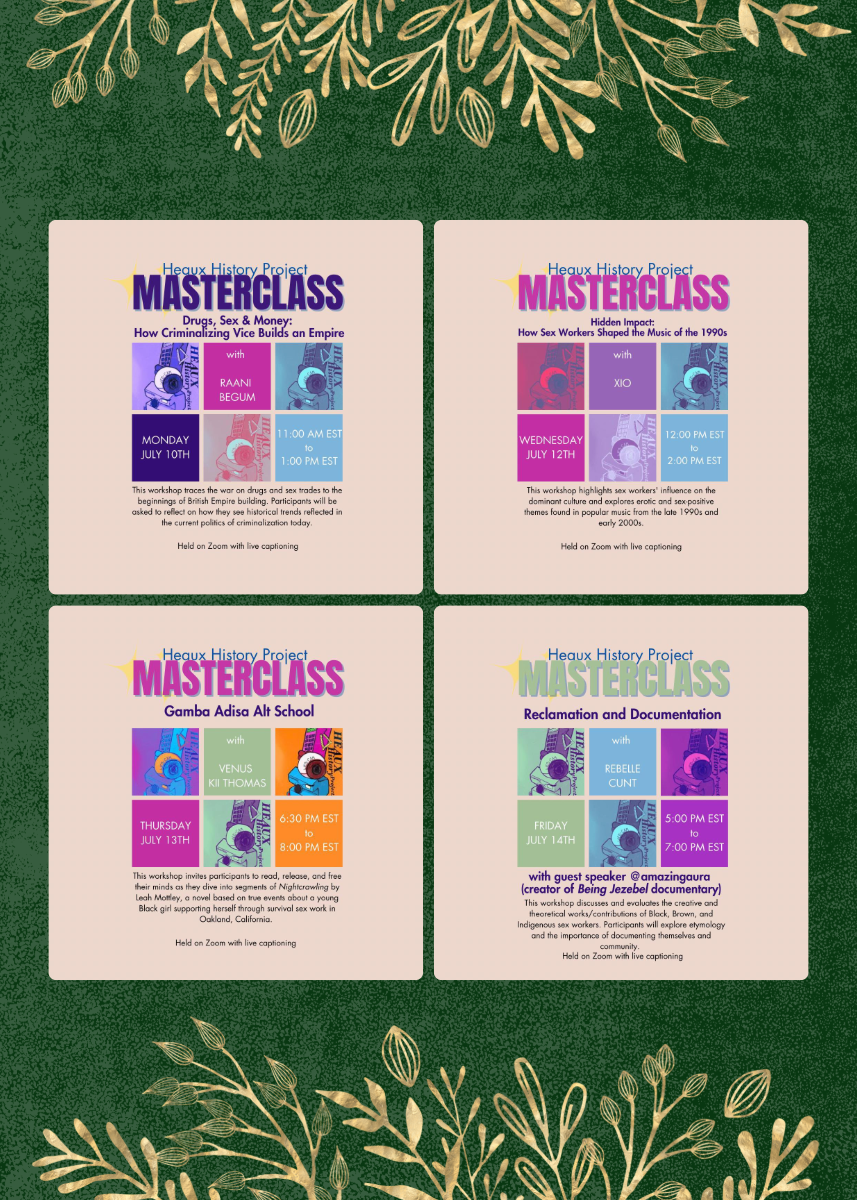
The Heaux History Project is a Chicago-based collective working to document the history of Black erotic labourers & honor their unrecognized contributions to society, culture and politics. In addition to creating educational resources like The Red Maps (an interactive map and study of significant landmarks and locations for SWer history in San Francisco and Chicago,) the Heaux History Project has been organizing workshops, events and mutual aid initiatives since 2019. Founder, documentarian and activist Rebelle Cunt shares how Black sex worker history has shaped the present - and why she’s optimistic about the future.

Q: HHP collaborates with local activist organizations and businesses to secure donations, locations and funding for events like your most recent mutual aid pop-up in Chicago. In your experience, what types of businesses/organizations have been the most supportive and willing to help? 

A: Other SWer organizations, LGBTQ+ orgs and collectives, and Black memory worker groups have been the most supportive. From providing physical locations for events, collaboration, and financial backing they've shown up for HHP in really meaningful ways and I’m so grateful for those relationships.

Q&A with Rebelle from HHP

Q: What are some ways in which Black and brown sex workers have shaped modern activism/organizing that go unrecognized today?

A: I think one major way is through education regarding laws/legislation and connecting them to racial analysis and dynamics. Black sex workers have also contributed greatly to recent feminist conversations and theory as well as discussions around human rights issues (including housing discrimination, work conditions, geographic segregation, state sanctioned violence, etc). When looking at community organizing, Black sex workers have been instrumental in present day mutual aid & demonstration efforts which definitely mirrors history.

Q: You’ve talked about realizing early on in your journey researching Black and brown sex workers that you were looking for your elders in a way. What is your greatest wish for the next generation?

A: Something I've shared often in the past is that where there's resistance & revolution there's a Renaissance. I think we're seeing this with sex workers’ rights advocacy alongside pro-heaux artistry. I want our folks to know that we were here and we were loud & that part of our memory work has always had them in mind.

Q&A with Rebelle from HHP

Q: Do you have any important personal holiday traditions as a sex worker?

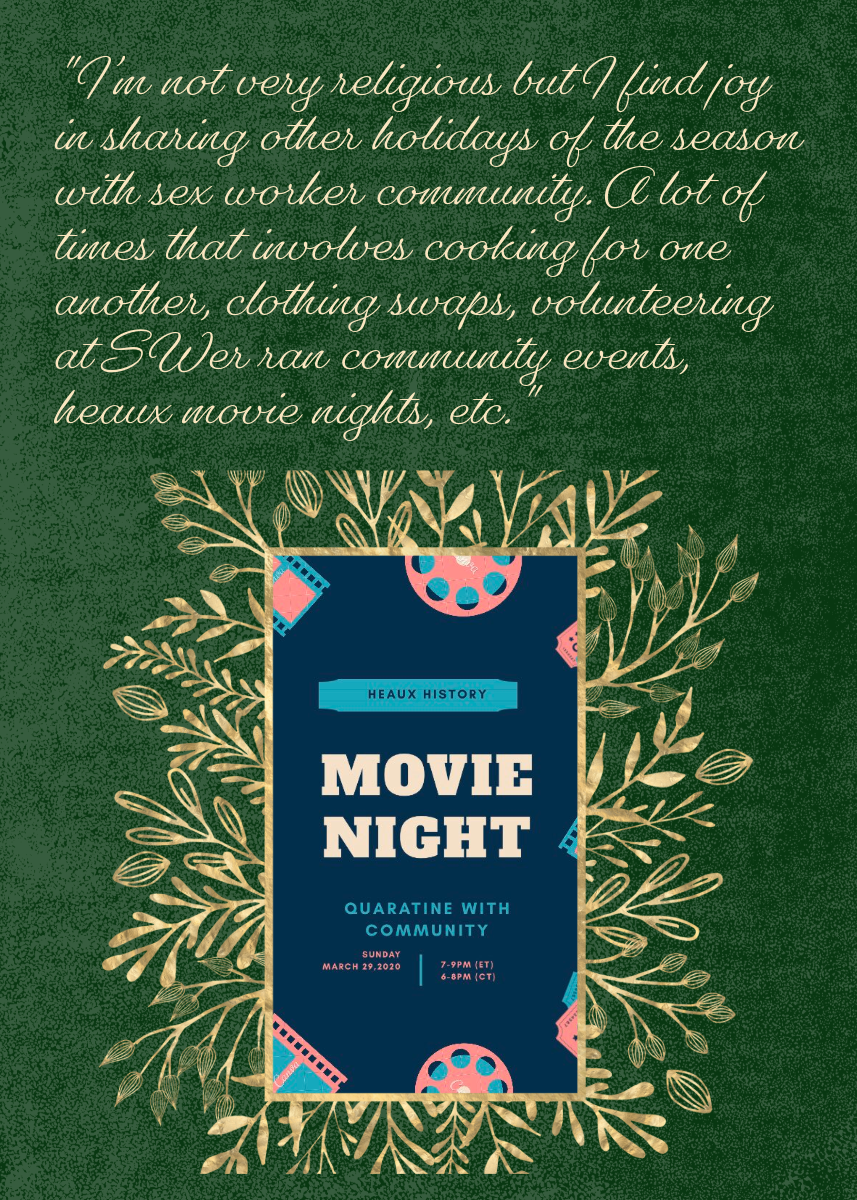
A: Yes. Like many SWers, D17 (International Day to End Violence Against Sex Workers) is really important to me, so I spend that time reflecting, remembering those we've lost, and celebrating our commitment to SWers rights. I’m not very religious but I find joy in sharing other holidays of the season with sex worker community. A lot of times that involves cooking for one another, clothing swaps, volunteering  at SWer ran community events, heaux movie nights, etc. 

Q: What would you say to SWers who may be looking for community?

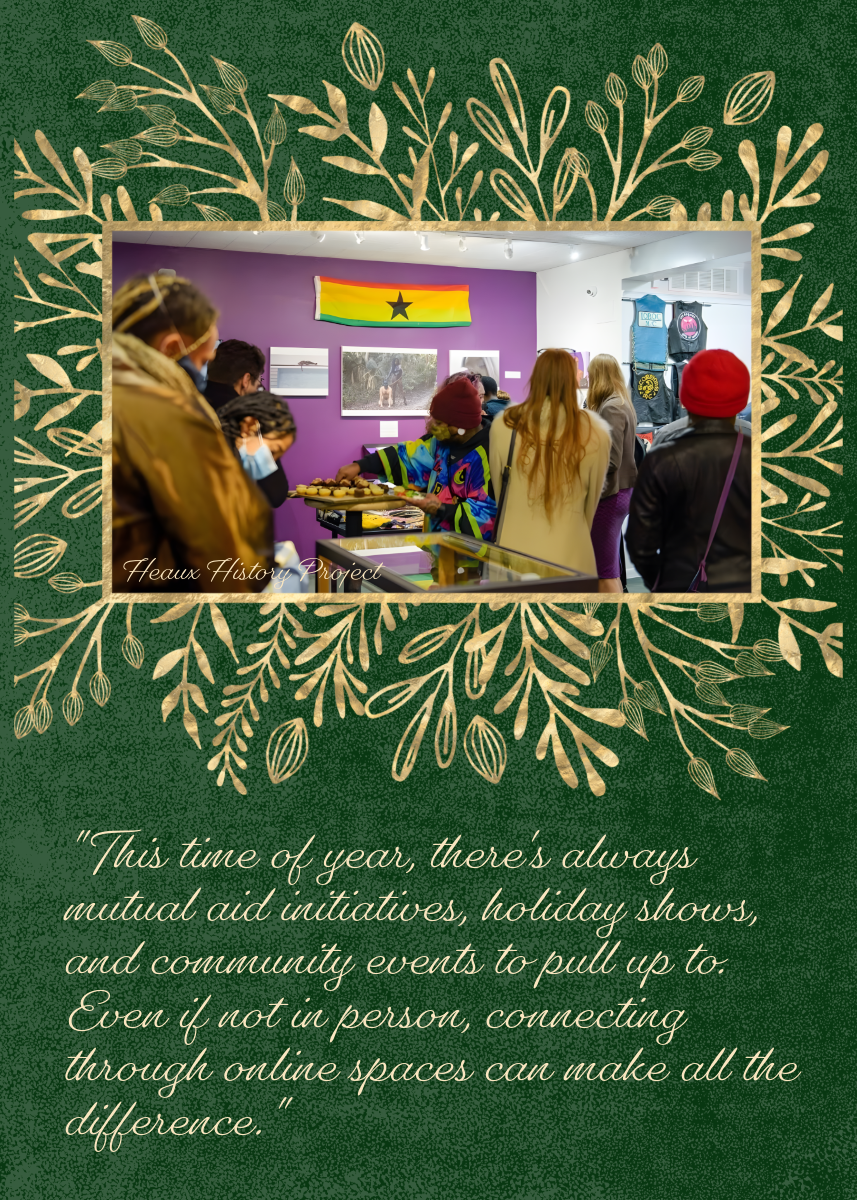
A: If you have the capacity I definitely recommend linking up with other SWers. This time of year, there's always mutual aid initiatives, holiday shows, and community events to pull up to. Even if not in person, connecting through online spaces can make all the difference. Also: creating your own traditions and including other SWers/creating chosen family traditions with other SWers (example for Black SWers/SWers of color: doing a cute potluck or family style meal exploring cuisine across diasporas, sharing culture, organizing with other SWers to help those in need, creating space to decompress)

Q&A with Rebelle from HHP

Q: Thanks for talking to us about your work! Do you have any upcoming projects / initiatives you’d like to tell readers about?

A: Heaux History will be hosting mutual aid pop ups in the new year (free clothing, food, other necessities) in Chicago. We're also working on our digital archive and first publication which will be really exciting to share.

Learn more about the Heaux History Project by following them on Instagram, Twitter, & Facebook!

Support HHP Directly